| Blankenfelde (Command
Post 8850) would have been the Command Post responsible for the operation
to take West Berlin. It was also the alternative Command Post for the
head of the NVA land forces, General Stechbarth.
The barracks were formerly the home of 26th Signal Battalion of the
NVA. After the battalion was transferred from the Border Troops to Land
Forces in 1972, it was renumbered as 40th Signal Battalion and assumed
responsibility for communications at the Command HQ Land Forces.
Since Command HQ Land Forces would have been disbanded in the event
of a conflict - the NVA land forces would have been incorporated into
the Soviet forces in East Germany, it never had a large HQ staff and
thus no need for a bunker. General Stechbarth had his own Command Post
in Potsdam-Wildpark, with his alternative Command Post being in Blankenfelde.
In a major conflict Stechbarth would have taken over responsibility
for the Berlin Operation from Baumgarten in the event of the latter's
demise.
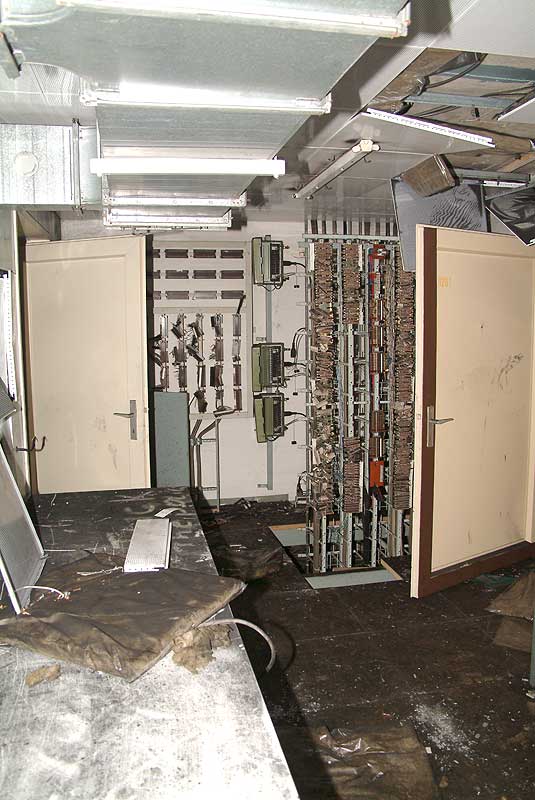
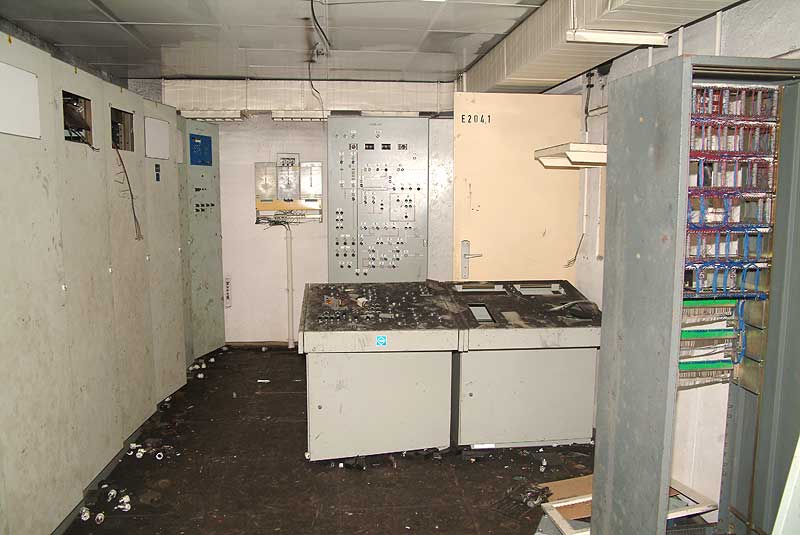
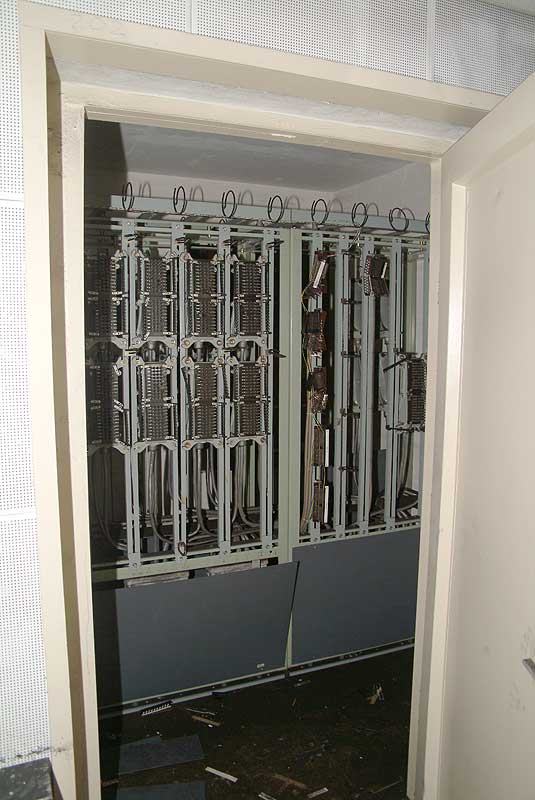
The Blankenfelde location was used since it provided good communications
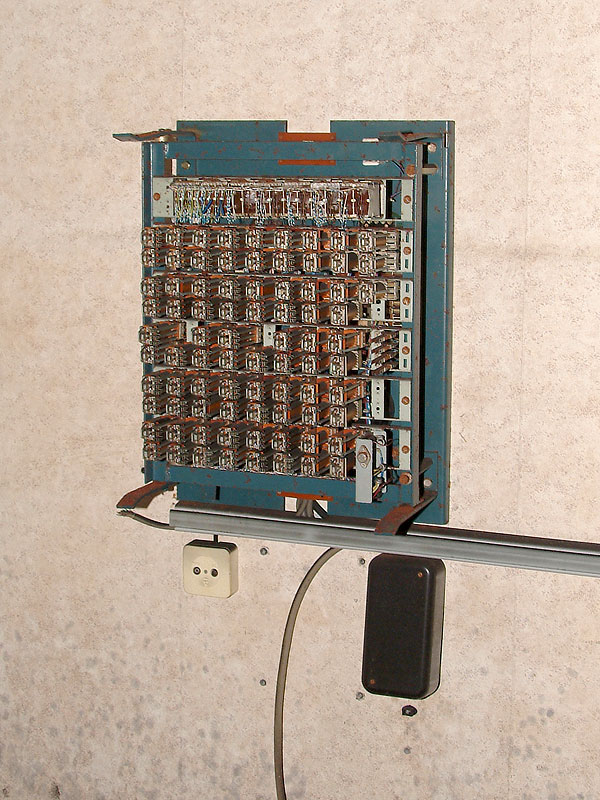
links via KNZ-40 (Command Comcen 40), which was located in the communications
bunker within the barracks. Some ten SOK (specially designated communications
cables) provided permanent links to all major units and facilities which
would have been involved in the Berlin Operation.
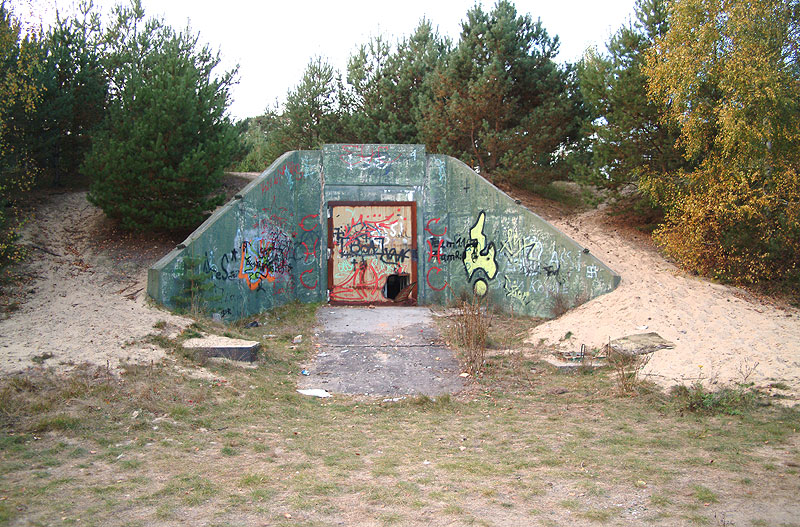
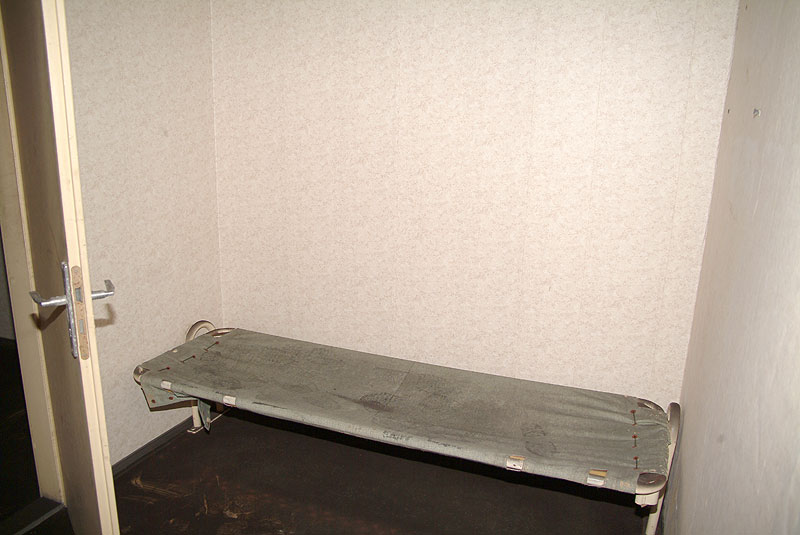
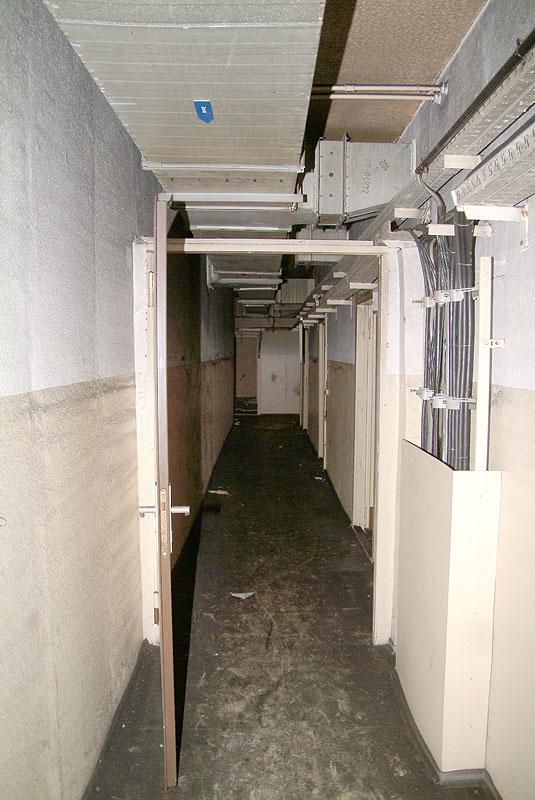
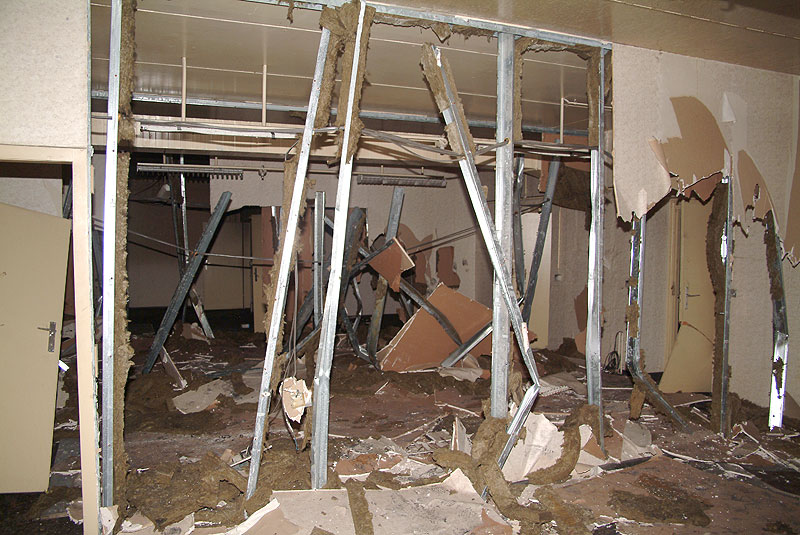
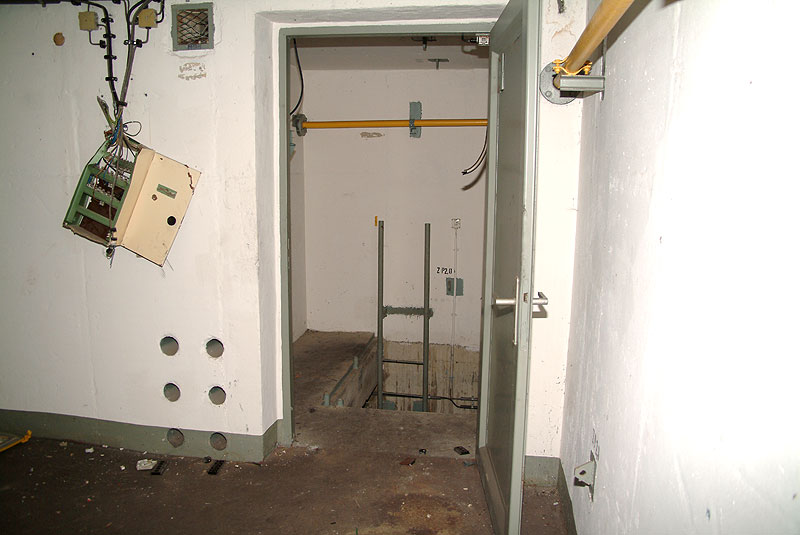
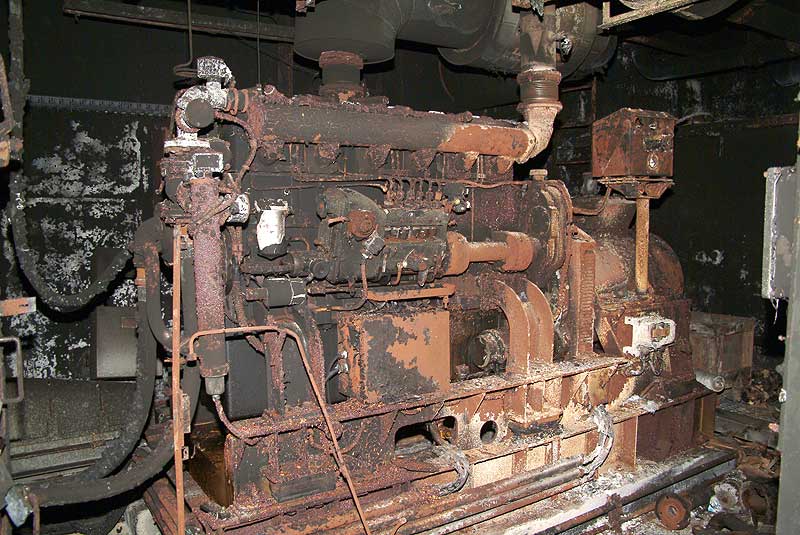
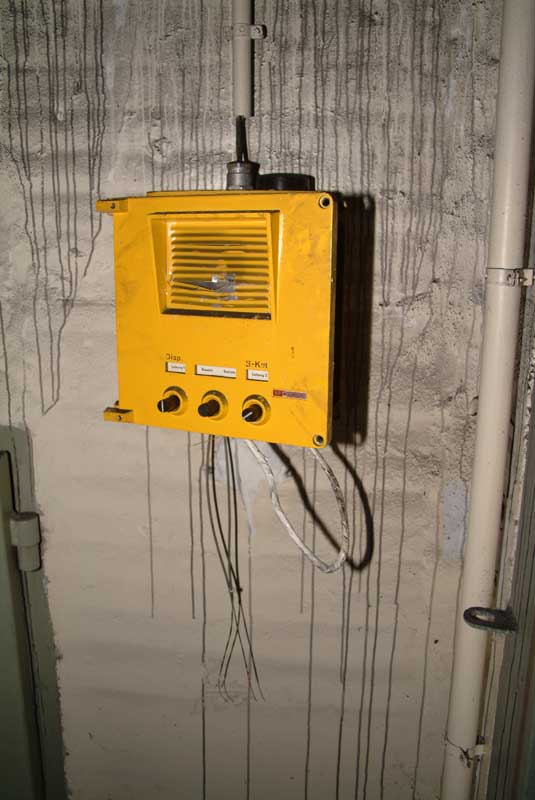
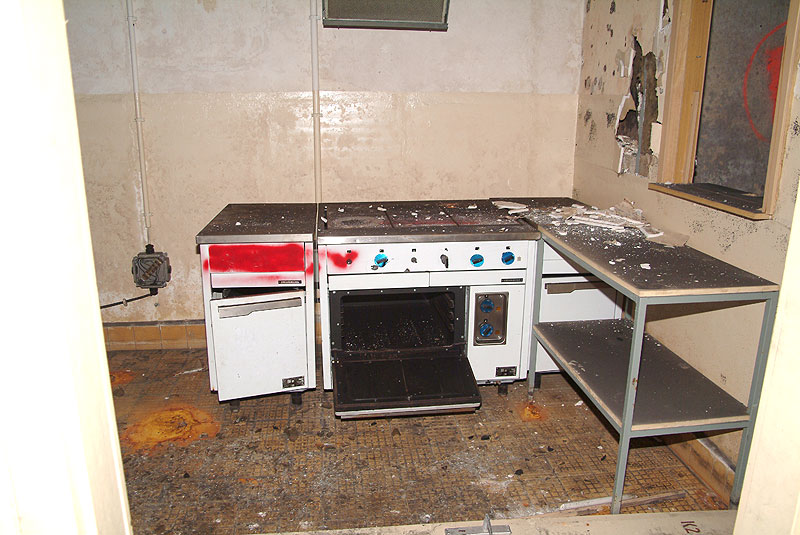
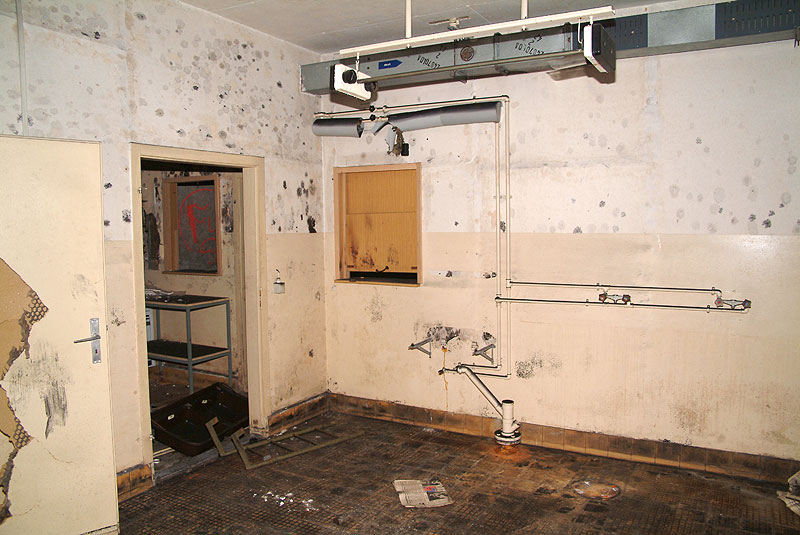
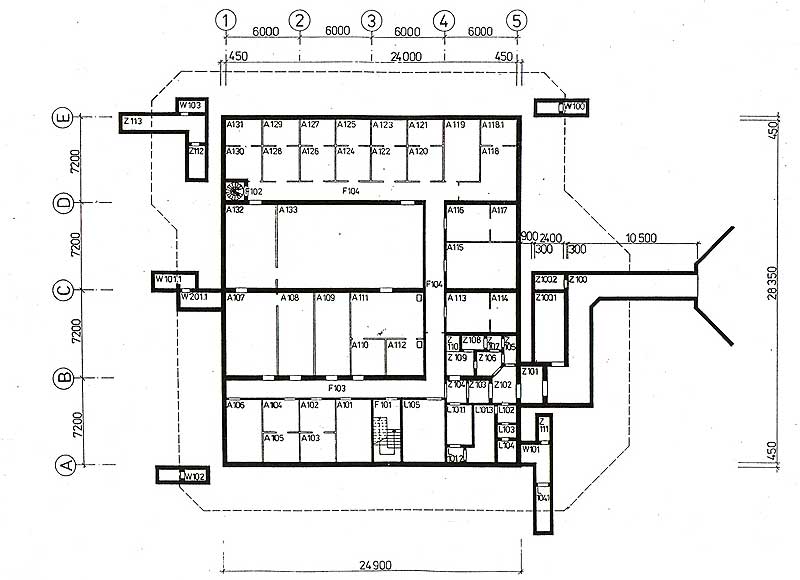
Construction of the bunker in Blankenfelde was never completed and was
no longer used after 1989. It was the last bunker to be built in the
era of the GDR - as the concrete dried, the GDR fell apart. The bunker
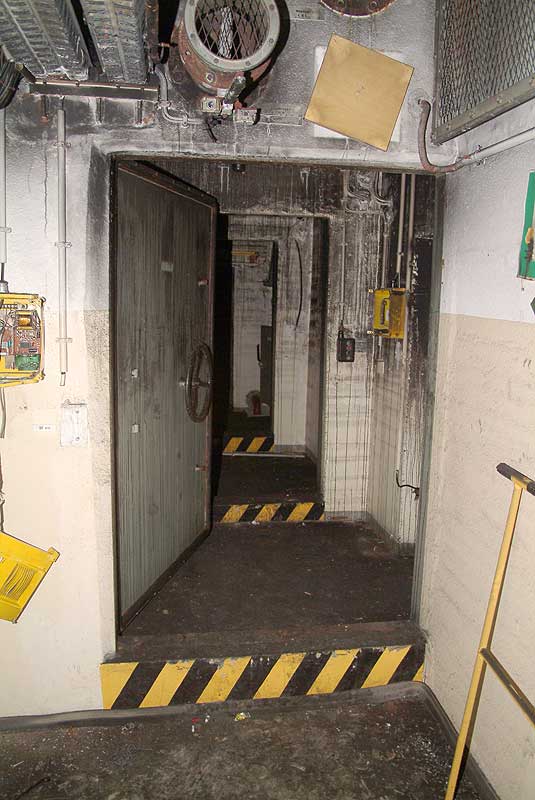
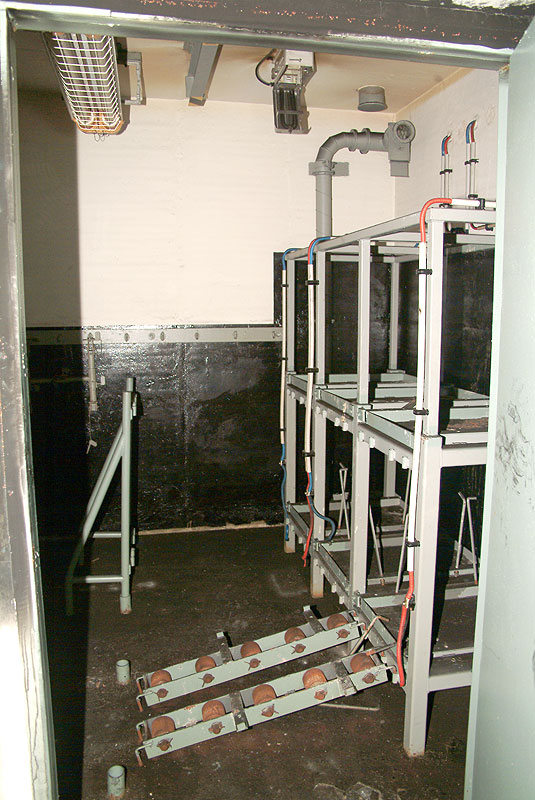
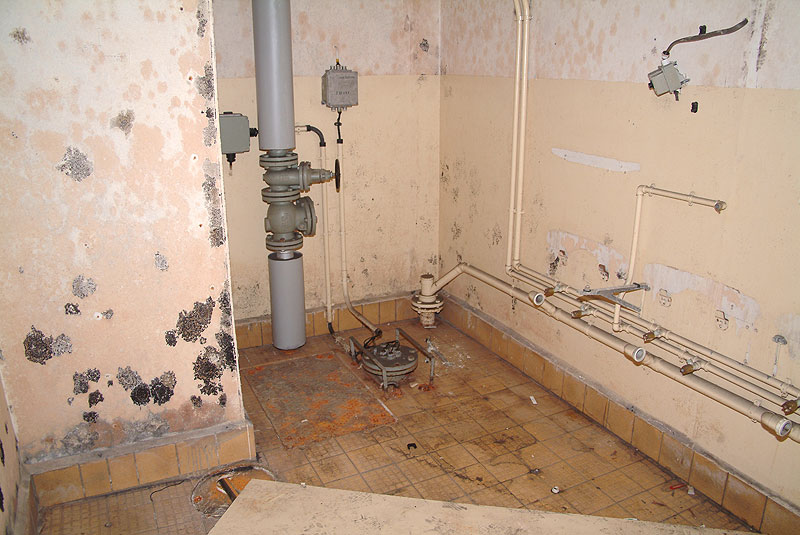
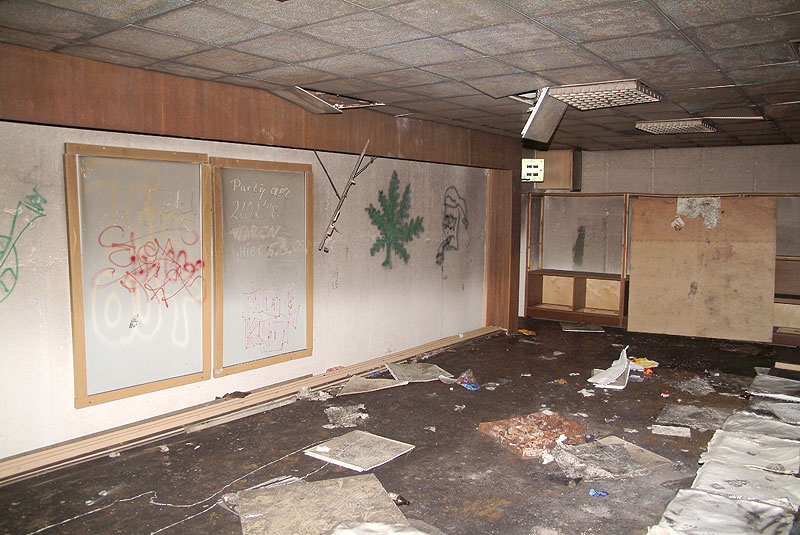
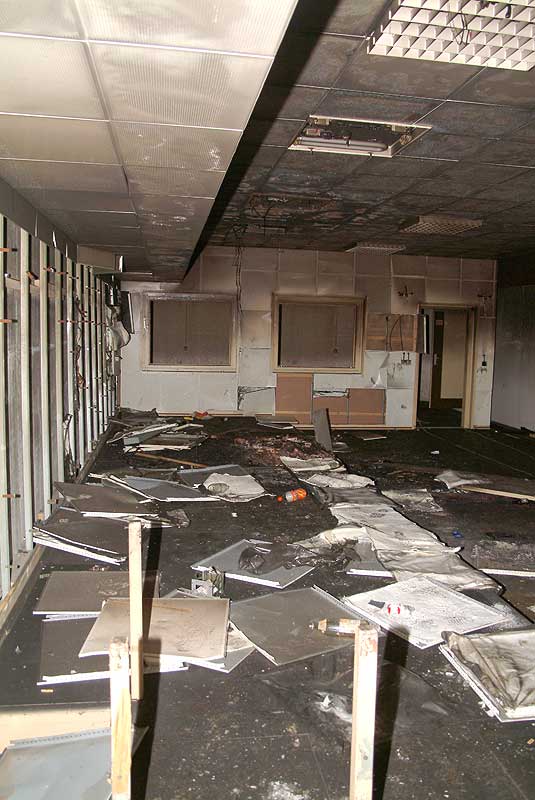
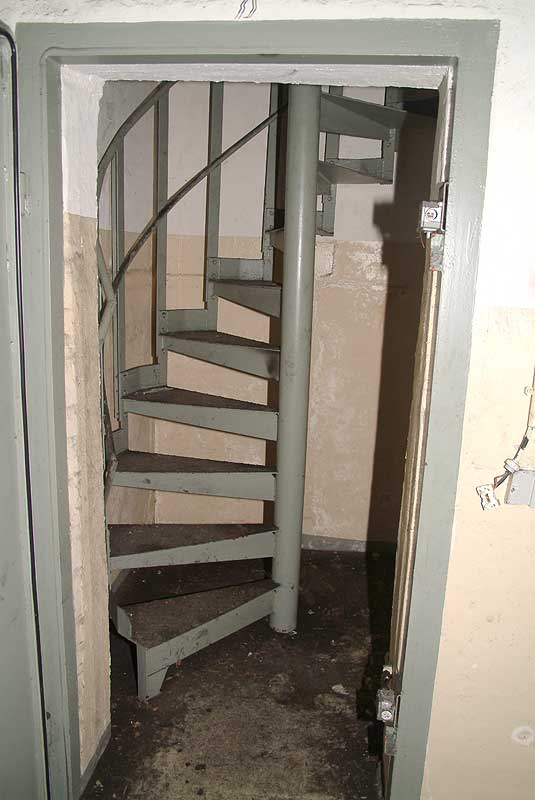
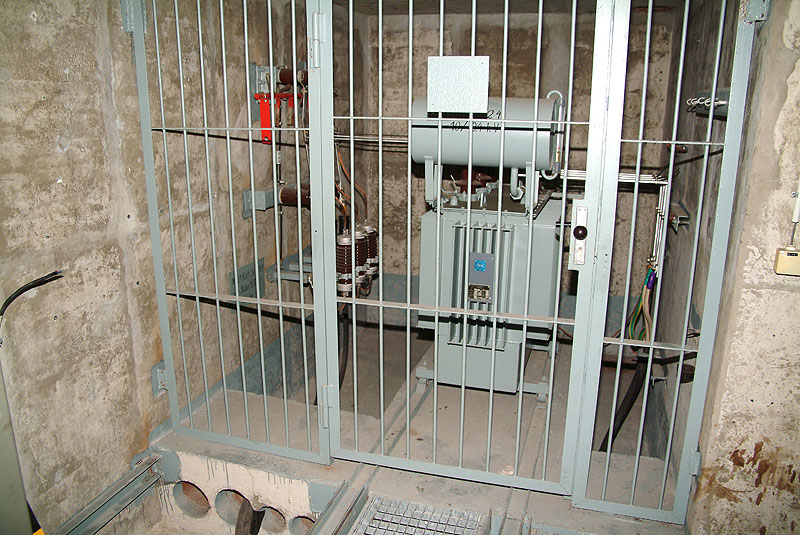
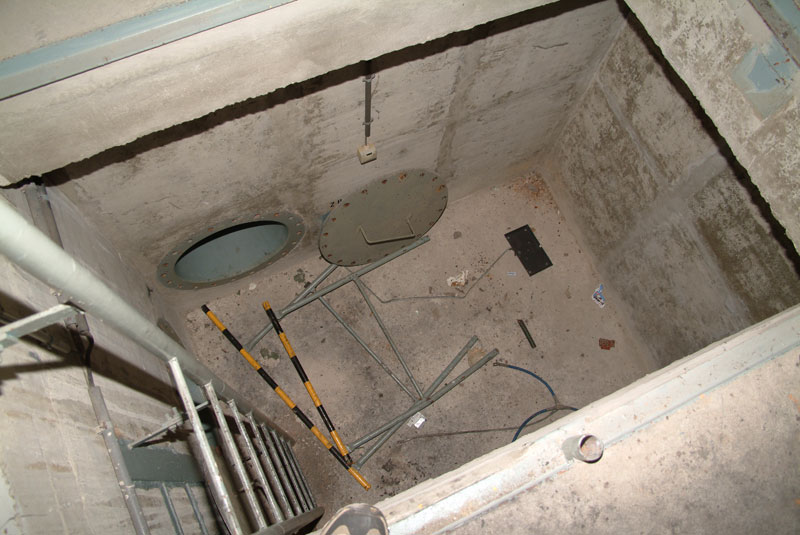
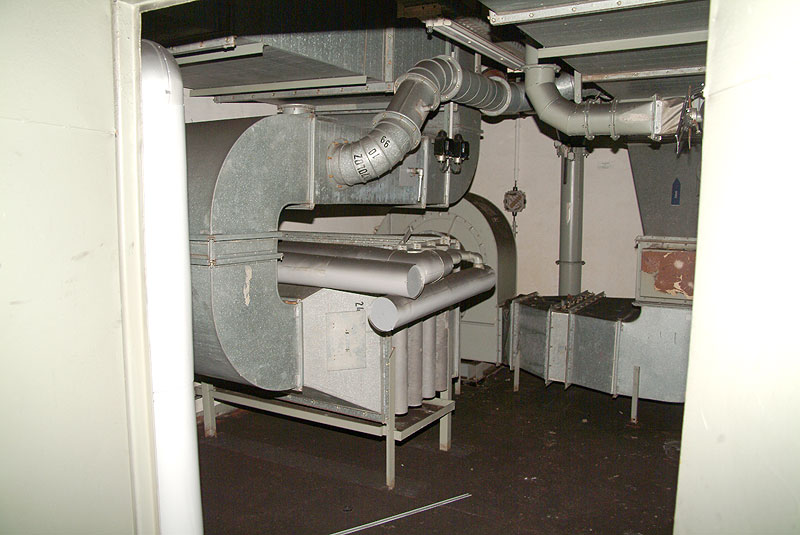
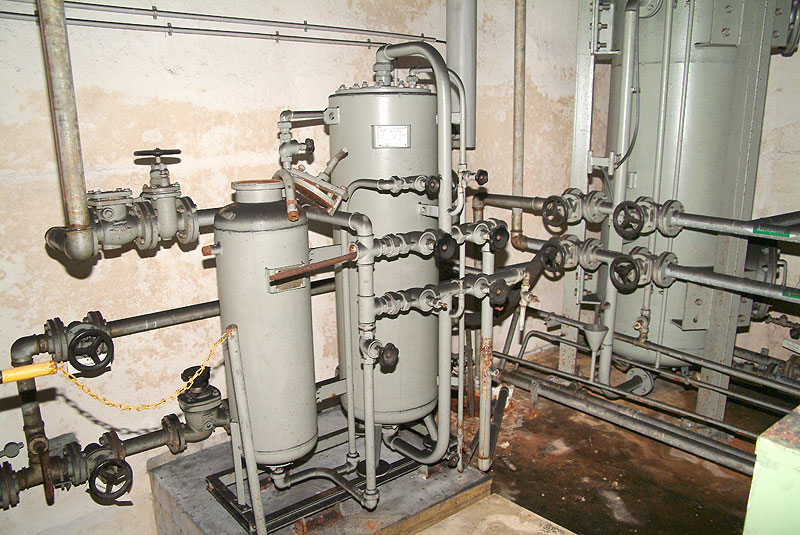
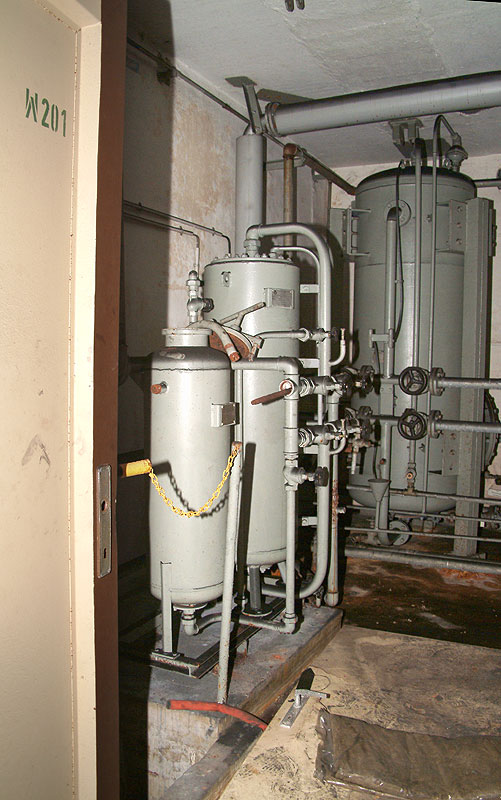
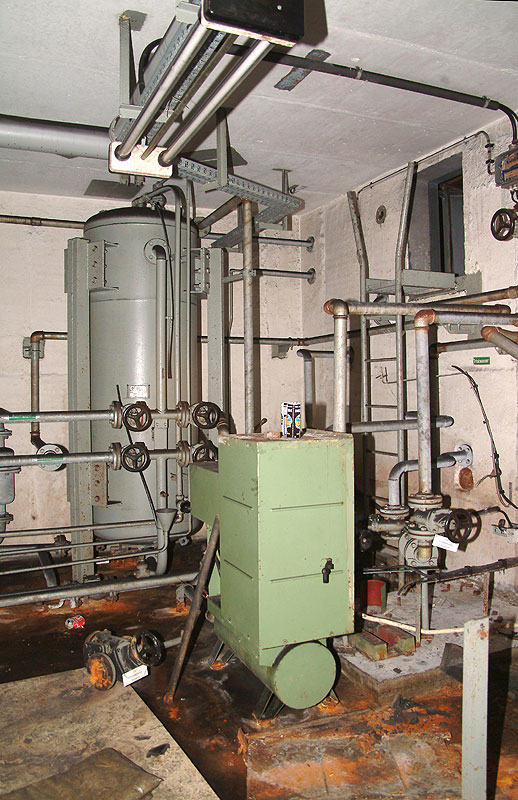
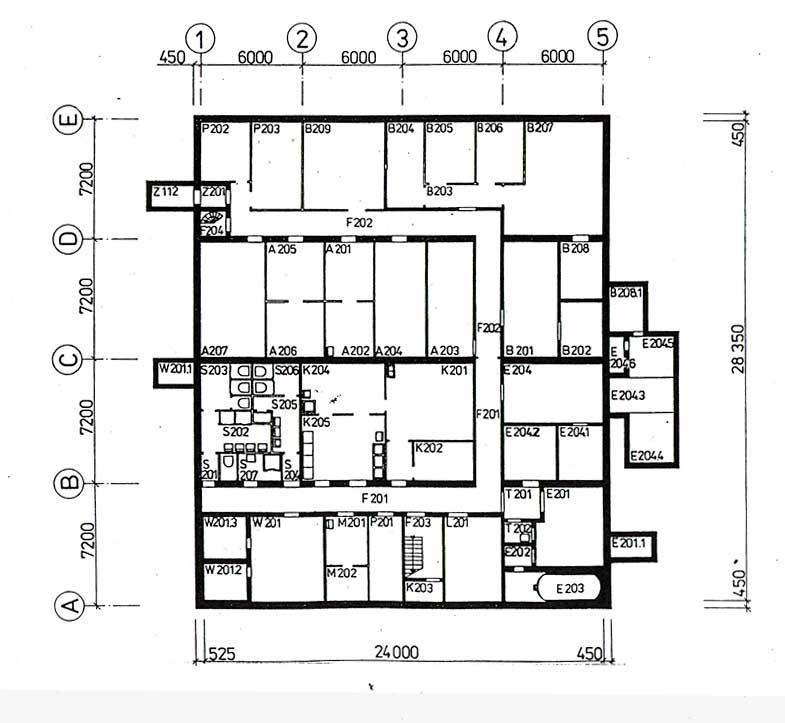
has two floors, a staff area, kitchen, comcen, sanitary and stores areas,
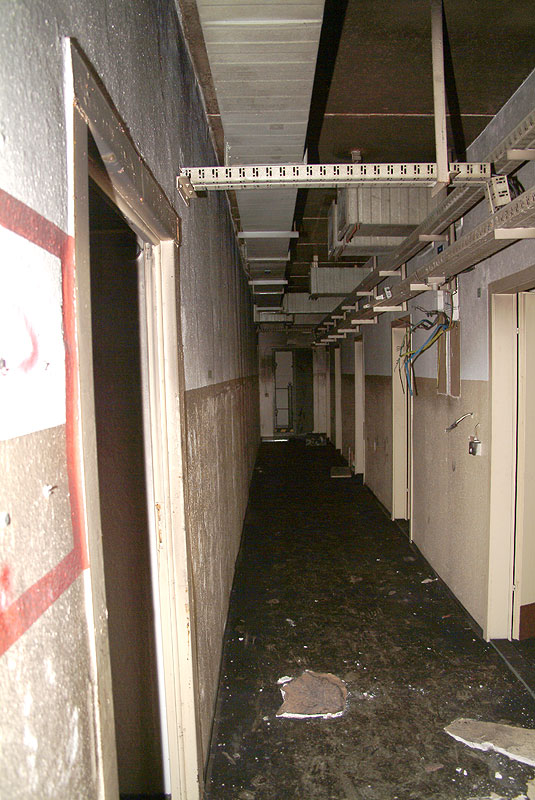
but no major protection system against blast. It is now totally stripped,
There was a fire inside it in 1994 with the resultant smell and sooting
of the interior. It was open for many months, but at present is allegedly
closed up again. |